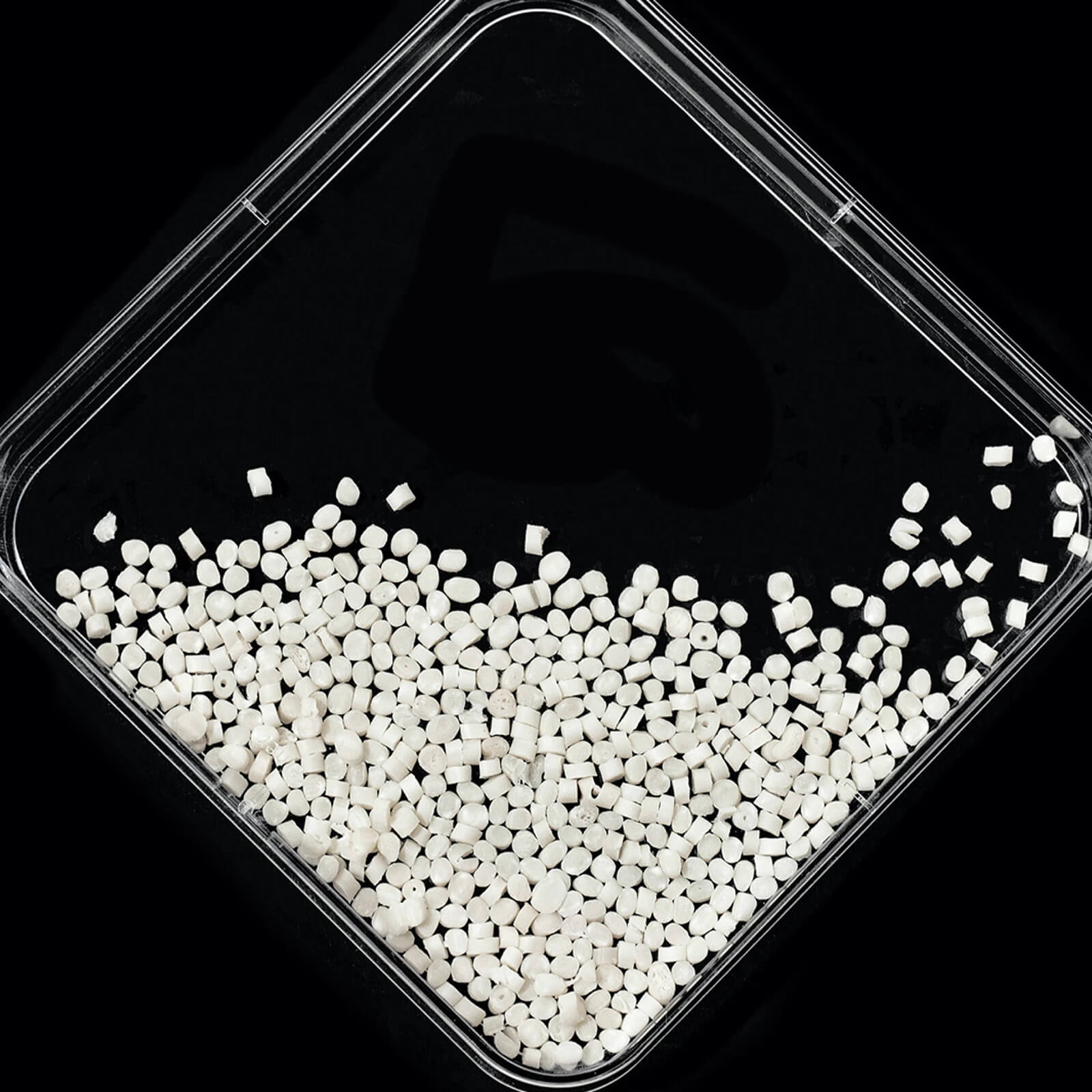
Google's Tensor Chip and the Pixel 6 Launch
Google introduced its first custom-built mobile processor, the Tensor chip, alongside the Pixel 6 and Pixel 6 Pro — marking a significant shift in smartphone hardware strategy.
Exploring technological breakthroughs, new product launches, and forward-looking developments in hardware and science.
From Google's custom Tensor chip powering the Pixel 6 to advances in robotics, autonomous shipping, and at-home medical diagnostics, the Innovation section tracked the ideas and inventions shaping tomorrow. Coverage spanned dental nanobots, self-driving container ships, and the emerging tech trends poised to redefine everyday life.
Innovation at WeWEAT is not just about the next flashy gadget or headline-grabbing announcement; it is about the quiet, steady work of turning ideas into practical tools that improve everyday life. From advances in hardware engineering to new approaches in software design, the focus remains on solving real problems for real people. The pace of change can feel overwhelming, but the most meaningful breakthroughs are often those that integrate seamlessly into existing routines, making once-complicated tasks feel simple and natural. Whether it is a smarter way to manage a household or a more intuitive interface for digital work, the goal is to build technology that feels less like an obstacle and more like a helpful companion.
The science and technology landscape is shifting rapidly, with new developments emerging across fields as varied as artificial intelligence, sustainable materials, and consumer electronics. Companies are increasingly competing not just on raw capability but on how thoughtfully a product fits into the broader ecosystem of a person's life. This trend toward integration means that innovation is no longer measured solely by speed or storage capacity, but by how well devices and services communicate with one another and with their users. For those keeping a close eye on the sector, the most exciting stories are often the collaborative ones, where partnerships across industries yield results that no single player could have achieved alone.
Looking forward, the next wave of innovation will likely center on personalization and adaptability. As more data becomes available and processing power continues to grow, products will be able to respond to individual preferences with greater precision than ever before. Imagine a kitchen that anticipates your dinner plans, a workspace that adjusts to your natural rhythm, or a health routine that evolves alongside your changing needs. These are not distant fantasies but realistic trajectories already taking shape in labs and development studios. The challenge, of course, is balancing this level of customization with user privacy and simplicity, ensuring that intelligent systems remain transparent, trustworthy, and genuinely helpful rather than intrusive or overly complex.
There is also a growing recognition that innovation must be sustainable, both environmentally and economically. Consumers are paying closer attention to the lifecycle of the products they bring into their homes, from the materials used in manufacturing to the energy consumed during everyday use. Companies that embrace circular design principles, reduce waste, and prioritize durability are finding that these values resonate deeply with modern buyers. At the same time, innovation in business models is opening new avenues for accessibility, making advanced technology available to a broader audience than ever before. The result is a more thoughtful, more inclusive approach to progress, one that measures success not only in technical milestones but in the positive, lasting impact on communities and daily life.
Google introduced its first custom-built mobile processor, the Tensor chip, alongside the Pixel 6 and Pixel 6 Pro — marking a significant shift in smartphone hardware strategy.

Researchers explored microscopic robots capable of performing dental procedures at the nanoscale, potentially transforming routine oral healthcare and precision dentistry.

Self-navigating cargo vessels began real-world trials, promising to reshape global shipping logistics with reduced crew costs and AI-driven route optimization.
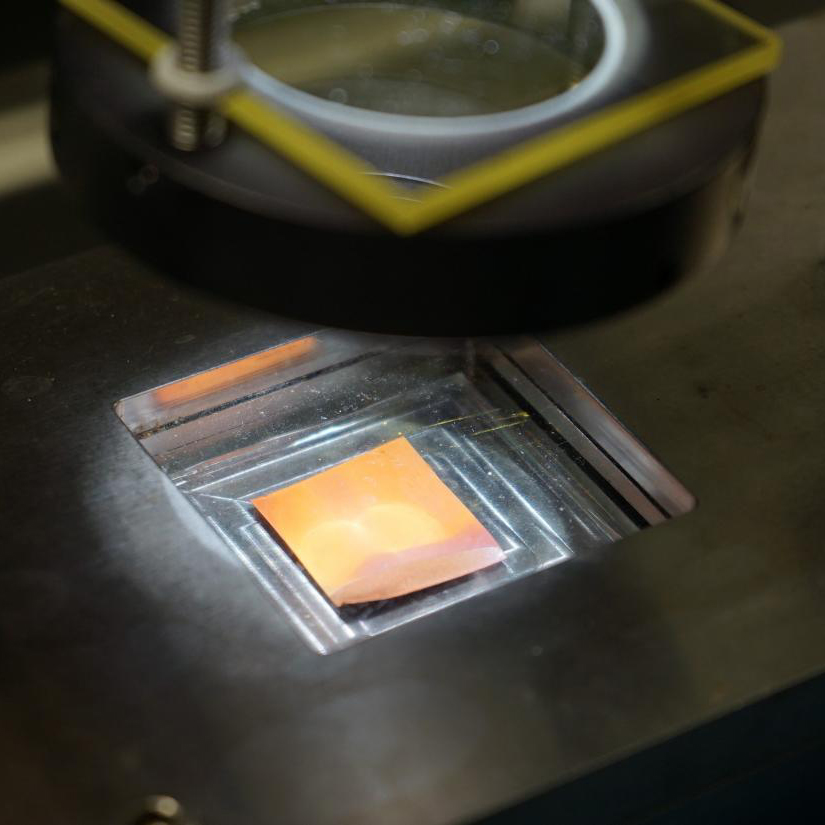
New consumer-grade diagnostic kits brought lab-quality testing into the home, covering everything from genetic screening to rapid infection detection.
A roundup of the most promising technology trends on the horizon, from edge computing and quantum advances to next-generation battery breakthroughs.

From food delivery bots to warehouse automation, robotics moved beyond the lab and into daily routines, raising new questions about labor and convenience.